
Fallout 76 places players into a version of the world that is both shattered and full of possibility. Set in the aftermath of nuclear destruction, the game invites survivors to step out of a Vault and face a landscape shaped by radiation, abandoned technology, and lingering mysteries. Rather than guiding players along a fixed storyline, it offers an open framework where personal choices and exploration define the journey.
Appalachia feels vast and untamed, with each region presenting a distinct atmosphere. Dense forests, crumbling towns, and industrial ruins are scattered across the map, encouraging players to explore without knowing exactly what they will find. Many locations tell their stories quietly, through environmental details instead of direct narration. A broken robot, a damaged terminal, or a half-buried skeleton can reveal fragments of life before the bombs fell, allowing players to piece together history through observation.
Survival is a constant concern. Managing supplies such as food, water, and equipment durability becomes second nature over time. Early struggles can feel unforgiving, but they also teach the importance of planning and awareness. As players gain experience, they learn to balance risk and reward, deciding when to push deeper into dangerous territory and when to retreat and regroup. This ongoing tension gives meaning to even small victories.
One of the most unique elements of Fallout 76 is its shared world. Other players exist alongside you, not as scripted companions, but as unpredictable variables. Encounters can be cooperative, competitive, or simply neutral, depending on circumstances. A chance meeting during a difficult event can turn into a temporary alliance, while a quiet trade at a camp might be the only interaction of the session. These moments feel organic, shaped by human behavior rather than predefined outcomes.
Customization and progression allow players to shape their identity in the wasteland. Instead of traditional classes, the game encourages flexible builds that evolve over time. Players can shift focus between combat, crafting, exploration, or support roles as their interests change. This freedom reduces the pressure of early decisions and keeps long-term play engaging.
Base building adds another layer of expression. Establishing a personal camp gives players a sense of ownership in a hostile world. Camps can serve practical purposes, such as crafting and storage, or become creative projects that reflect individual style. Seeing camps scattered across the map reinforces the idea that the wasteland is slowly being reclaimed, one small settlement at a time.
Through ongoing updates and community involvement, the world continues to evolve. New challenges, stories, and improvements keep the experience from feeling static. Fallout 76 Items ultimately succeeds by focusing on atmosphere and player-driven storytelling. It is not just about surviving the end of the world, but about discovering how people adapt, cooperate, and find meaning after everything familiar has been lost.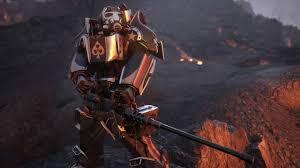

 Arabic
 French
 Spanish
 Portuguese
 Deutsch
 Turkish
 Dutch
Dutch
 Italiano
 Russian
 Romaian
 Portuguese (Brazil)
 Greek
Greek