
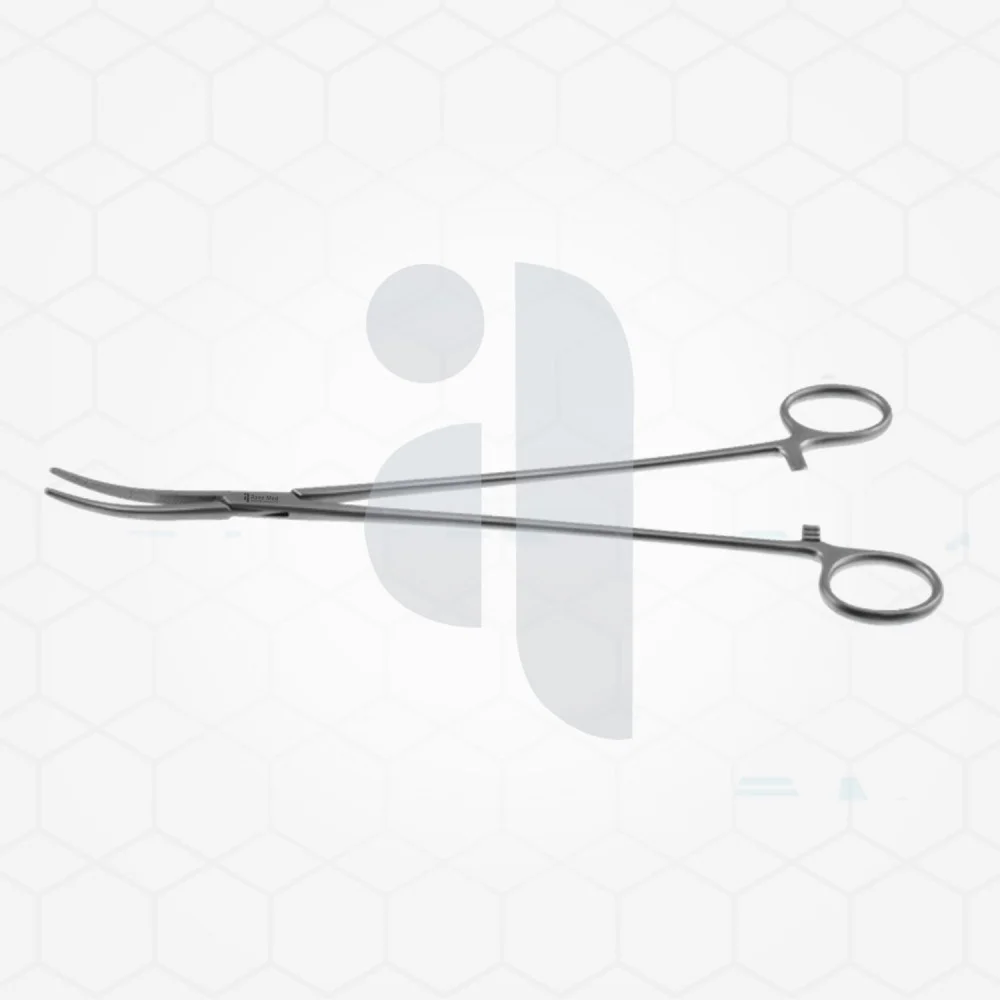
In the world of surgical instruments, precision and patient care are paramount. Every tool has a specific purpose, designed to improve outcomes and minimize trauma. The atraumatic tenaculum stands out as a critical instrument in gynecology, offering a superior alternative to its traditional counterparts. This tool is engineered to grasp and stabilize tissue, particularly the cervix, with minimal damage. Understanding its design, applications, and the benefits it provides is essential for any medical professional committed to excellence in patient care.
The evolution of surgical instruments reflects a continuous drive towards safer and more effective procedures. From rudimentary tools to highly specialized devices, the goal has always been to enhance the surgeon's ability while prioritizing the patient's well-being. For procedures requiring manipulation of the cervix, the tenaculum is indispensable. However, the sharp, penetrating hooks of older models often caused unnecessary bleeding and pain. The development of the atraumatic tenaculum was a direct response to this challenge, marking a significant advancement in gynecological surgery and patient-centered practice. Companies like Azeemed Instruments are at the forefront of this evolution, dedicating their expertise to creating high-quality surgical tools that meet the rigorous demands of modern medicine.
This post will explore the intricacies of the atraumatic tenaculum. We will examine its unique design features, compare it to other cervical instruments, and detail its various applications in clinical practice. Furthermore, we will discuss the importance of proper handling, sterilization, and the role that quality manufacturing plays in the instrument's performance and longevity.

Understanding the Design: What Sets It Apart?
The effectiveness of an atraumatic tenaculum lies in its intelligent design. Unlike traditional tenaculums that use sharp, single-toothed hooks, this modern instrument employs a different mechanism to grip tissue. The jaws are often designed with multiple, finer teeth or a serrated surface that distributes pressure more evenly. This design allows for a firm hold on the cervix without piercing the delicate tissue as deeply, significantly reducing the risk of bleeding, lacerations, and post-procedural discomfort for the patient.
The materials used in manufacturing are just as crucial as the design. High-grade stainless steel is the standard, offering the necessary strength, durability, and resistance to corrosion. This ensures the instrument can withstand repeated sterilization cycles without degrading. The handle is also ergonomically designed to provide the surgeon with a comfortable, secure grip, allowing for precise control and maneuverability during a procedure. Some models feature a ratcheted locking mechanism, which maintains a constant hold on the tissue without requiring continuous pressure from the surgeon. This feature is particularly useful during longer procedures, as it reduces hand fatigue and ensures the cervix remains stable.
When compared to other instruments like the Ochsner Kocher forceps, the specific purpose of the atraumatic tenaculum becomes even clearer. While an Ochsner Kocher is a heavy-duty, crushing forceps with sharp teeth, designed for grasping tough tissues like fascia or bone, its use on the delicate cervix would be highly traumatic. The atraumatic design is purpose-built for gynecology, demonstrating the importance of selecting the right tool for the specific tissue being handled. The gentle yet firm grip is ideal for procedures such as IUD insertion, hysteroscopy, and endometrial biopsy, where stabilizing the cervix is necessary but causing injury is unacceptable.
Key Applications in Gynecological Practice
The versatility of the atraumatic tenaculum makes it a staple in a wide range of gynecological procedures. Its primary function is to provide traction and counter-traction on the cervix, allowing for the straightening of the endocervical canal and uterus. This stabilization is critical for ensuring the accuracy and safety of many common interventions.
One of the most frequent uses is during the insertion of an intrauterine device (IUD). To place an IUD correctly, the uterus must be aligned. The tenaculum gently grasps the anterior lip of the cervix, allowing the provider to apply gentle traction. This maneuver straightens the angle between the cervix and the uterus, making it easier and safer to insert the sound to measure uterine depth and subsequently place the IUD. Using an atraumatic instrument minimizes pain and bleeding, improving the patient's experience.
Hysteroscopy, a procedure used to diagnose and treat problems inside the uterus, also relies on cervical stabilization. The tenaculum holds the cervix steady as the hysteroscope is inserted. This prevents the cervix from retracting and ensures the scope can be advanced smoothly into the uterine cavity. Similarly, during endometrial biopsies, the instrument provides the necessary stability to allow the clinician to obtain an adequate tissue sample with minimal discomfort to the patient. Other procedures, such as colposcopy and certain types of cervical cryotherapy or ablation, also benefit from the gentle yet firm hold provided by this specialized tool. The reduced trauma makes it a superior choice for office-based procedures where patient comfort is a top priority.
The Importance of Quality and Proper Maintenance
The performance of any surgical instrument is directly tied to its manufacturing quality. For a tool like the atraumatic tenaculum, this is especially true. Inferior instruments may have misaligned jaws, rough surfaces, or weak locking mechanisms, all of which can compromise their function and potentially harm the patient. A poorly made "atraumatic" tool could still cause tissue damage, defeating its entire purpose. This is why sourcing instruments from reputable manufacturers is non-negotiable.
Azeemed Instruments exemplifies the commitment to quality that healthcare professionals rely on. Their dedication to crafting superior surgical tools ensures that each atraumatic tenaculum is made from the finest materials and engineered to exacting standards. This focus on quality translates into reliability, durability, and, most importantly, patient safety. When surgeons use instruments they can trust, they can perform procedures with greater confidence and precision, leading to better outcomes.
Beyond initial quality, proper care and maintenance are essential for extending the life of the instrument and ensuring it remains safe for use. After each procedure, the tenaculum must be thoroughly cleaned and sterilized according to established protocols. Manual cleaning should be performed to remove all visible bioburden, paying close attention to the serrated jaws and locking mechanism where debris can accumulate. Following cleaning, the instrument must undergo sterilization, typically through autoclaving. Regular inspection is also crucial. Staff should check for signs of wear, damage, or corrosion. Any instrument with bent tips, a faulty ratchet, or cracks should be removed from service immediately to prevent procedural complications.
Patient Benefits and Improved Clinical Outcomes
The primary driver behind the development and adoption of the atraumatic tenaculum is the significant benefit it offers to the patient. Gynecological procedures can be a source of anxiety and discomfort, and any measure that can mitigate these factors is a welcome advancement. The most immediate benefit is a reduction in pain. By avoiding deep penetration of the cervical tissue, the instrument causes less stimulation of nerve endings, making procedures like IUD insertions more tolerable.
Reduced bleeding is another major advantage. Cervical lacerations from traditional tenaculums can lead to bleeding that may obscure the surgical field or require additional interventions, like chemical cauterization, to control. The gentle grasping action of the atraumatic tenaculum largely eliminates this risk. This contributes to a cleaner procedure and a more comfortable recovery for the patient, who is less likely to experience post-procedural spotting or discomfort.
From a clinical perspective, these patient benefits translate into improved outcomes. When a patient is more comfortable and relaxed, the procedure is often easier for the clinician to perform. There is less patient movement, allowing for more precise actions. Furthermore, reducing the risk of iatrogenic injury (injury caused by medical intervention) is a fundamental principle of medicine. By choosing an instrument specifically designed to minimize harm, clinicians uphold their commitment to "first, do no harm." This choice reflects a high standard of care and a patient-centered approach that builds trust and confidence. The widespread adoption of the atraumatic tenaculum is a testament to its proven ability to enhance safety and improve the overall patient experience in gynecological care.
Conclusion: A Standard of Care
The atraumatic tenaculum represents more than just a piece of surgical equipment; it embodies a philosophy of care that prioritizes patient well-being without compromising procedural effectiveness. Its specialized design, which allows for a firm grip with minimal tissue damage, has made it an indispensable tool in modern gynecology. From IUD placements to complex hysteroscopic procedures, it enables surgeons to perform with greater precision and safety.
The tangible benefits—reduced pain, minimized bleeding, and a lower risk of cervical injury—directly enhance the patient experience and contribute to better clinical outcomes. For these benefits to be fully realized, however, the quality of the instrument is paramount. Companies like Azeemed Instruments, with their unwavering dedication to producing high-quality surgical tools, provide the foundation of trust that medical professionals need. By investing in well-crafted instruments and adhering to strict protocols for maintenance and sterilization, healthcare facilities can ensure they are providing the highest standard of care. The atraumatic tenaculum is a clear example of how thoughtful innovation in surgical instrument design can lead to safer, more comfortable, and more effective healthcare for all.

 English
 Arabic
 French
 Portuguese
 Deutsch
 Turkish
 Dutch
Dutch
 Italiano
 Russian
 Romaian
 Portuguese (Brazil)
 Greek
Greek