
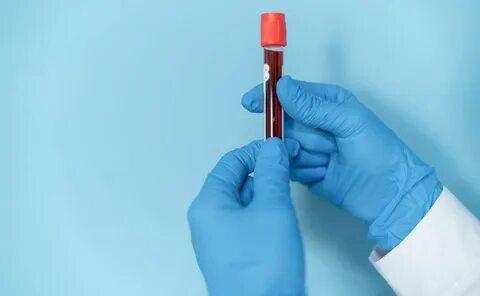
Copper is an essential trace mineral that supports several important processes in the body. It contributes to red blood cell formation, iron metabolism, connective tissue development, energy production, immune function, and normal nervous system activity. Although the body needs only small amounts of copper, having too little can affect multiple systems.
A Copper Blood Test in Dubai, often called a serum copper test, can help healthcare professionals evaluate circulating copper levels when deficiency is suspected. However, a copper result should not be interpreted on its own. Factors such as ceruloplasmin levels, inflammation, liver health, nutritional status, medications, supplements, and zinc intake can influence the result.
Understanding how copper deficiency affects the body can make a laboratory report easier to discuss with a healthcare professional.
Why Copper Matters for the Body?
Copper participates in several biochemical reactions that keep the body functioning normally. One of its important roles is supporting iron metabolism. Copper helps the body use and transport iron effectively, which is one reason copper deficiency may be associated with certain types of anemia.
The mineral also contributes to connective tissue formation, antioxidant defense, energy metabolism, and nervous system function. Because these processes occur throughout the body, inadequate copper availability can produce symptoms that are broad and sometimes difficult to recognize.
Copper is obtained primarily through food. Nuts, seeds, shellfish, organ meats, whole grains, legumes, and some vegetables can contribute to dietary copper intake. The body then absorbs copper through the digestive system and regulates its distribution and elimination, with the liver playing an important role in copper metabolism.
What Is Copper Deficiency?
Copper deficiency occurs when the body does not have enough available copper to support normal physiological functions. It may result from inadequate dietary intake, impaired absorption, certain gastrointestinal conditions, excessive zinc intake, or other medical circumstances.
A low serum copper result can provide an important clue, but it does not automatically prove that a person has clinically significant copper deficiency. Doctors generally consider laboratory findings alongside symptoms, medical history, dietary patterns, and other blood tests.
This broader approach is important because copper levels can change for reasons that are not directly related to dietary copper intake.
How a Copper Blood Test Helps Identify Low Copper Levels?
A copper blood test measures the concentration of copper in a blood sample. It is commonly used when a healthcare professional wants to investigate possible copper deficiency, abnormal copper metabolism, or another condition affecting copper balance.
The test may be particularly useful when symptoms or other laboratory findings suggest a nutritional problem. A doctor may also order additional tests, such as ceruloplasmin, complete blood count, iron studies, liver function tests, or sometimes a urine copper test.
The reference range printed on the laboratory report is especially important because normal values can vary between laboratories, testing methods, age groups, and other factors.
The First Signs of Copper Deficiency May Be Easy to Miss:
Copper deficiency does not always produce a single recognizable symptom. Early or mild deficiency may cause general complaints that overlap with many other health conditions.
Possible signs can include:
-
Persistent tiredness or reduced energy
-
Weakness
-
Pale skin associated with anemia
-
Frequent or unusual infections
-
Changes in balance or coordination
-
Numbness or tingling
-
Muscle weakness
-
Difficulty concentrating
-
Changes in neurological function
These symptoms are not specific to copper deficiency. Iron deficiency, vitamin deficiencies, thyroid disorders, neurological conditions, chronic illness, and other nutritional problems can cause similar complaints.
For this reason, testing is more useful than trying to identify copper deficiency based on symptoms alone.
Copper Deficiency and Anemia:
One of the important connections between copper and health involves red blood cells. Copper contributes to normal iron metabolism, so inadequate copper can interfere with how iron is handled by the body.
Some people with copper deficiency may develop anemia that does not improve as expected with conventional iron treatment. Copper deficiency can also be associated with low white blood cell counts, particularly neutropenia.
This does not mean that every unexplained anemia is caused by low copper. Iron deficiency, vitamin B12 deficiency, folate deficiency, chronic disease, blood loss, and other conditions are much more common explanations in many situations.
When anemia has an unclear cause, a healthcare professional may consider whether copper status should be evaluated along with other nutritional and hematological markers.
Neurological Effects of Low Copper:
The nervous system can also be affected when copper levels are inadequate. Prolonged copper deficiency has been associated with neurological problems that may include numbness, tingling, weakness, impaired coordination, or changes in walking.
These symptoms can resemble certain neurological disorders and vitamin deficiencies. In some cases, neurological complications related to nutritional deficiency can become significant if the underlying cause is not recognized.
Anyone experiencing new or worsening neurological symptoms should seek appropriate medical evaluation rather than assuming that low copper is responsible.
Why Ceruloplasmin Matters When Copper Is Low?
A copper blood test is often interpreted together with ceruloplasmin, a protein produced primarily by the liver that carries much of the copper found in the bloodstream.
Looking at serum copper and ceruloplasmin together can provide more context than considering copper alone. A low copper result accompanied by low ceruloplasmin may support a particular pattern of copper deficiency or altered copper metabolism, but interpretation still depends on the individual's clinical circumstances.
Ceruloplasmin can also be influenced by inflammation, hormones, liver conditions, and other factors. Therefore, an abnormal ceruloplasmin result does not automatically establish a specific diagnosis.
What Can Cause Copper Deficiency?
Several circumstances can contribute to low copper status. Possible factors include:
Inadequate Dietary Intake
A consistently limited diet may reduce copper intake, particularly when several nutrient-rich food groups are avoided. Severe dietary deficiency is uncommon in people with varied diets but can occur in specific nutritional circumstances.
Problems With Nutrient Absorption
Conditions affecting the digestive tract can interfere with copper absorption. Certain gastrointestinal disorders or surgical procedures may increase the risk of nutritional deficiencies.
Excessive Zinc Intake
Zinc and copper have an important nutritional relationship. High zinc intake over an extended period can interfere with copper absorption and contribute to copper deficiency.
This is particularly relevant for people taking high-dose zinc supplements without medical supervision.
Other Medical Factors
Certain medical conditions and treatments can affect nutrient absorption, metabolism, or requirements. A healthcare professional may therefore consider the complete medical history when investigating low copper levels.
What Happens After a Low Copper Blood Test?
A low copper result usually calls for investigation rather than immediate self-treatment. A healthcare professional may review the laboratory reference range, symptoms, diet, medications, supplements, gastrointestinal history, and other laboratory findings.
Additional testing may include ceruloplasmin, complete blood count, iron studies, vitamin levels, liver function testing, or other tests selected according to the suspected cause.
The goal is not simply to increase copper intake. Identifying why copper levels are low is often just as important as correcting the deficiency.
Can Copper Deficiency Be Treated?
Treatment depends on the underlying cause and the severity of the deficiency. If inadequate dietary intake contributes to low copper status, improving overall nutritional intake may be part of the management plan.
When absorption problems or another medical condition are involved, addressing that underlying issue may be necessary. Copper supplements may sometimes be considered, but the appropriate dose and duration should be determined with professional guidance.
Taking large amounts of copper without confirming the need can be harmful because excessive copper can also cause health problems. A balanced approach is important, particularly when someone is already taking zinc, iron, multivitamins, or other nutritional supplements.
Copper Blood Test Results Should Be Viewed in Context:
A copper blood test provides useful information, but it is only one part of a nutritional and medical assessment. A result outside the laboratory's reference range does not automatically explain every symptom.
Healthcare professionals may consider serum copper alongside ceruloplasmin, blood counts, iron studies, liver function, dietary history, zinc exposure, symptoms, and other relevant findings.
This contextual approach helps distinguish a genuine copper deficiency from temporary or unrelated changes in copper levels.
When Should You Discuss Copper Testing With a Healthcare Professional?
Copper testing may be worth discussing when there is unexplained anemia, low white blood cell counts, neurological symptoms, suspected nutritional deficiency, impaired nutrient absorption, prolonged high-dose zinc use, or another reason to suspect altered copper metabolism.
If a previous copper blood test was abnormal, repeating or expanding the evaluation may also be appropriate depending on the circumstances.
The most useful question is not simply, “Is my copper level low?” It is, “What does this result mean in the context of my symptoms, other laboratory findings, and overall health?”
Final Takeaway:
Copper deficiency can affect blood formation, iron metabolism, immune function, energy production, connective tissue, and the nervous system. Because its symptoms can resemble other nutritional or medical conditions, identifying the problem may require more than a single laboratory measurement.
A copper blood Lab tests can help evaluate circulating copper levels, while ceruloplasmin and other laboratory tests may provide additional information about copper metabolism. Low results should be interpreted using the laboratory's reference range and the individual's broader health picture.
If copper deficiency is suspected, professional evaluation can help identify the underlying cause and determine whether dietary changes, further testing, or supervised supplementation is appropriate.

 Arabic
 French
 Spanish
 Portuguese
 Deutsch
 Turkish
 Dutch
Dutch
 Italiano
 Russian
 Romaian
 Portuguese (Brazil)
 Greek
Greek