
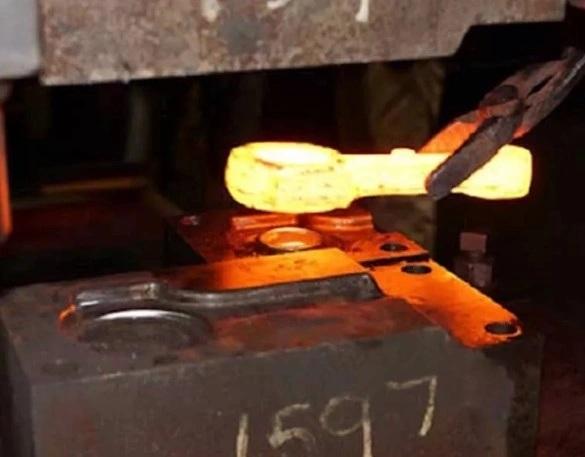
Finding a dependable forged parts manufacturer in China is an important step for companies looking to source high-quality components at competitive prices. China has developed a strong forging industry with advanced production capabilities, experienced suppliers, and extensive export experience. However, selecting the right manufacturer requires careful evaluation to ensure product quality, reliable delivery, and long-term cooperation.
This guide outlines the key steps involved in identifying, evaluating, and partnering with a trusted forged parts manufacturer in China.
1. Define Your Forging Requirements
Before searching for suppliers, it is essential to clearly define your project requirements. Having complete technical information helps manufacturers provide accurate quotations and ensures smoother communication.
Specify Part Requirements
Prepare detailed specifications for your forged components, including dimensions, weight, shape, tolerances, and functional requirements. Engineering drawings with precise measurements are highly recommended. If drawings are unavailable, work with an experienced engineer to create technical documentation before contacting manufacturers.
Select the Appropriate Material
The material grade directly affects product performance, manufacturing processes, and cost. Common forging materials include:
- Carbon steel
- Alloy steel
- Stainless steel
- Aluminum
- Titanium
Clearly specify the required material standards, such as ASTM, DIN, or other international grades. For example, ASTM A105 is commonly used for carbon steel forged components, while stainless steel parts may require grades such as 304 or 316.
Choose the Right Forging Process
Different forging methods are suitable for different applications:
- Open-die forging: Suitable for large components with simple geometries and heavy-duty applications.
- Closed-die forging: Ideal for complex shapes requiring higher precision and better surface finish.
- Ring rolling: Commonly used for seamless rings in industries such as bearings, gears, aerospace, and energy equipment.
Selecting the correct forging process helps optimize production efficiency and control costs.
Define Quality Standards
Determine your required quality specifications before production begins. These may include:
- Mechanical properties
- Hardness requirements
- Surface finish
- Dimensional accuracy
- Heat treatment requirements
- Inspection standards
Reference internationally recognized standards such as ISO, ASTM, DIN, or customer-specific specifications to ensure clear expectations.
Estimate Order Volume
Provide expected order quantities, whether per batch or annually. Production volume influences tooling costs, pricing structures, and manufacturing methods. Larger quantities generally allow lower unit costs, while smaller orders may require customized pricing solutions.
2. Search for Potential Forged Parts Manufacturers
Once your requirements are clear, you can begin identifying potential suppliers through several channels.
Use Online B2B Platforms
Online marketplaces are a common starting point for finding Chinese forging suppliers. Platforms such as Alibaba, Made-in-China, and Global Sources contain thousands of manufacturers.
When searching, use keywords such as:
- Forged parts manufacturer
- Steel forging supplier
- Custom forging manufacturer
- Precision forged components supplier
Review supplier profiles carefully, including:
- Years in business
- Production capabilities
- Certifications
- Product categories
- Export experience
- Customer reviews
Attend Industry Trade Shows
Trade exhibitions provide opportunities to meet manufacturers directly and evaluate their capabilities. Events focused on metal processing, foundry, and forging industries allow buyers to:
- Inspect product samples
- Discuss technical requirements
- Meet engineering teams
- Compare multiple suppliers
Face-to-face communication can help build confidence before starting cooperation.
Use Industry Associations and Directories
Professional organizations and industry directories can help identify established manufacturers. Companies listed through recognized industry associations often have stronger technical capabilities and more standardized production systems.
Ask for Business Recommendations
Recommendations from existing suppliers, customers, or industry contacts can be valuable. Companies with proven experience working with Chinese manufacturers may provide insights into supplier reliability, communication quality, and product performance.
Search Chinese Manufacturing Resources
Chinese search engines such as Baidu can help locate local forging factories. Using Chinese keywords may reveal manufacturers that are not widely visible on international platforms. Working with a local representative or Chinese-speaking partner can make this process easier.
3. Evaluate Manufacturer Qualifications
After creating a supplier shortlist, carefully evaluate each manufacturer's technical capability and reliability.
Verify Business Registration
Request official company registration documents and confirm that the supplier is a legally registered manufacturer. This helps avoid unreliable trading companies or unqualified suppliers.
Review Certifications
Check whether the manufacturer holds relevant certifications, such as:
- ISO 9001 quality management certification
- IATF 16949 for automotive applications
- PED or ASME certifications for pressure-related products
Always request copies of certificates and confirm their validity.
Assess Factory Facilities and Equipment
A factory evaluation should include:
- Forging presses and hammers
- Heat treatment equipment
- CNC machining facilities
- Inspection equipment
- Production capacity
Ask for factory photos, videos, or arrange an on-site visit if possible. A well-equipped factory is more likely to handle complex projects and maintain consistent quality.
Review Previous Projects
Ask the manufacturer for examples of similar forged parts they have produced. Check whether they have experience serving your industry, such as:
- Automotive
- Oil and gas
- Aerospace
- Construction machinery
- Power generation
Customer references can provide valuable information about delivery performance and product quality.
Evaluate Engineering Capabilities
A capable forging supplier should have an experienced engineering team that can provide technical support, including:
- Design optimization
- Material selection advice
- Forging simulation
- Cost reduction suggestions
Strong engineering support can improve product performance and reduce manufacturing costs.
Check Financial Stability
A financially stable supplier is more likely to maintain consistent production, invest in equipment upgrades, and support long-term cooperation. Third-party credit reports can provide additional verification.
4. Request Quotes and Compare Suppliers
After selecting several qualified manufacturers, request detailed quotations.
Provide Complete RFQ Information
A professional request for quotation should include:
- Technical drawings
- Material specifications
- Required quantity
- Production process
- Quality requirements
- Packaging requirements
- Delivery location
Detailed information allows manufacturers to provide accurate pricing.
Request Cost Breakdown
Ask suppliers to separate costs for:
- Raw materials
- Tooling
- Forging
- Heat treatment
- Machining
- Surface treatment
- Inspection
- Packaging
- Shipping
A detailed quotation makes supplier comparison easier.
Consider Total Landed Cost
The lowest unit price is not always the best option. Consider the complete cost, including:
- Product price
- Transportation
- Customs duties
- Taxes
- Insurance
- Potential quality risks
A slightly higher-priced supplier may provide better value through improved quality and reliability.
5. Conduct Factory Audits and Sample Testing
Before placing a large order, verify the supplier's production capability through audits and sample production.
Visit the Factory
A factory visit allows you to inspect:
- Production lines
- Warehouse management
- Quality laboratories
- Safety practices
- Manufacturing organization
A professional production environment usually indicates stronger quality management.
Review Quality Control Procedures
Ask about inspection processes, including:
- Incoming material inspection
- In-process inspection
- Final inspection
- Non-conforming product handling
Check whether the factory has testing equipment for:
- Hardness testing
- Tensile testing
- Dimensional inspection
- Non-destructive testing
Review Production Workflow
Understand the complete manufacturing process:
- Raw material preparation
- Heating
- Forging
- Heat treatment
- Machining
- Surface treatment
- Final inspection
- Packaging
A controlled production process helps reduce defects.
Request Trial Production
Before mass production, request sample parts or a trial batch. Test the samples according to your application requirements and confirm that they meet all specifications.
6. Negotiate Contracts and Commercial Terms
Once you select a supplier, establish clear contractual terms.
Agree on Payment Conditions
Common payment structures include:
- 30% deposit before production and 70% before shipment
- Milestone-based payments for larger projects
- Letters of credit for additional payment security
Choose terms that balance supplier requirements and buyer protection.
Set Delivery Milestones
Define clear schedules for:
- Tooling completion
- Sample approval
- Production start
- Final inspection
- Shipment
Including milestone dates helps prevent delays.
Establish Quality Requirements
The contract should define:
- Inspection standards
- Acceptance criteria
- Defect handling procedures
- Replacement or rework responsibilities
Protect Confidential Information
Use confidentiality agreements to protect:
- Engineering drawings
- Product designs
- Technical specifications
- Business information
Confirm Packaging and Shipping Terms
Specify:
- Packaging methods
- Shipping methods
- Incoterms (such as FOB or CIF)
- Required export documents
Proper packaging prevents damage during transportation.
7. Manage Production and Logistics
After production begins, maintain communication and quality control.
Maintain Regular Communication
Schedule regular updates with the manufacturer. Request production reports, photos, and progress information to identify issues early.
Perform Production Inspections
Third-party inspections during manufacturing can help detect problems before shipment. Mid-production inspections are often more effective than discovering defects after completion.
Conduct Final Inspection
Before shipment, verify:
- Dimensions
- Material properties
- Surface quality
- Quantity
- Packaging condition
Manage Shipping Documentation
Coordinate with freight forwarders and ensure all documents are prepared, including:
- Commercial invoice
- Packing list
- Bill of lading
- Customs documents
Accurate documentation helps avoid customs delays.
8. Build a Long-Term Partnership
A reliable forging supplier can become a valuable part of your supply chain. Maintaining a strong relationship benefits both sides.
Provide Feedback
Share performance feedback after receiving products. Constructive communication helps manufacturers improve quality and service.
Maintain Timely Payments
Pay according to agreed terms. Reliable payment practices help build trust and may lead to better service and priority production scheduling.
Visit the Factory Regularly
Periodic visits allow you to review improvements, discuss future projects, and strengthen cooperation.
Share Future Demand Forecasts
Providing production forecasts helps manufacturers plan materials, capacity, and resources. Long-term visibility may also help achieve better pricing.
Consider Long-Term Agreements
For ongoing purchasing needs, consider framework agreements covering:
- Pricing
- Quality requirements
- Delivery schedules
- Technical standards
Long-term agreements reduce repeated negotiations and create supply stability.
Conclusion
Finding the right forged parts manufacturer in China requires careful planning, supplier research, technical evaluation, and ongoing communication. The key steps include:
- Defining your product specifications, materials, processes, and quantities.
- Searching for manufacturers through online platforms, exhibitions, directories, and referrals.
- Verifying supplier qualifications, certifications, and production capabilities.
- Comparing quotations based on total cost and overall value.
- Conducting factory audits and sample testing.
- Establishing clear contracts and quality requirements.
- Monitoring production, inspection, and shipping.
- Building a long-term supplier relationship.
By following a structured supplier selection process, companies can identify reliable Chinese forged parts manufacturers that deliver consistent quality, competitive pricing, and dependable supply chain support.

 Arabic
 French
 Spanish
 Portuguese
 Deutsch
 Turkish
 Dutch
Dutch
 Italiano
 Russian
 Romaian
 Portuguese (Brazil)
 Greek
Greek