
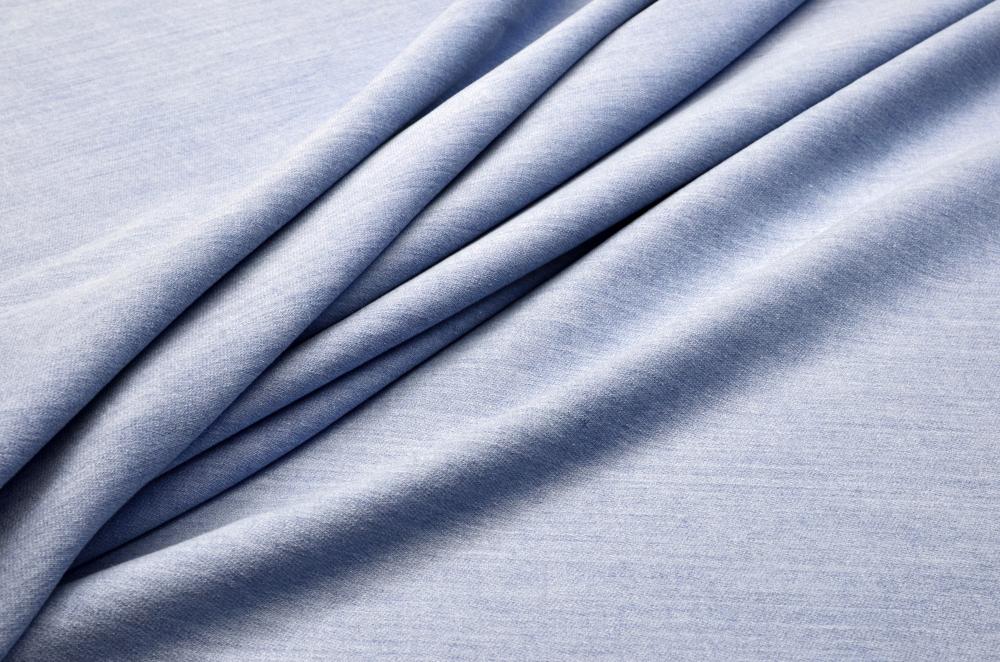
Linen fabric offers fashion brands a rare combination of durability, breathability, low environmental impact, and strong consumer appeal. Sourced from the flax plant, linen outlasts many synthetic materials, requires minimal water to produce, and commands premium pricing—making it both a sustainable and commercially sound material choice.
Linen has been used for thousands of years. Ancient Egyptians wrapped mummies in it. European nobility wore it as a mark of status. Today, it's showing up on runways, in sustainable fashion campaigns, and in the sourcing strategies of forward-thinking fashion brands worldwide.
The reason linen fabric keeps coming back isn't nostalgia. It's performance. Fashion brands are under more pressure than ever to balance quality, sustainability, and profitability. Linen checks all three boxes—and that's exactly why it deserves a serious place in your material strategy.
This post breaks down the key reasons linen is worth the investment, from its fiber strength and environmental profile to its aesthetic appeal and consumer demand.
How Strong Is Linen Fabric Compared to Other Natural Fibers?
Linen is made from the fibers of the flax plant (Linum usitatissimum). These fibers are naturally long and tightly structured, which gives linen its signature strength. Linen fiber is approximately two to three times stronger than cotton, making it one of the most durable natural textiles available.
For fashion brands, this durability translates directly into longevity. A well-made linen garment doesn't pill, stretch out, or break down after a season of wear. It actually gets softer with each wash while retaining its structural integrity. That means fewer returns, fewer complaints, and a product that genuinely justifies a higher price point.
Brands that prioritize quality over volume benefit most from linen's resilience. Fewer replacements also mean less textile waste—an increasingly important metric as the fashion industry faces growing scrutiny over its environmental impact.
Why Is Linen Fabric Considered Breathable and Versatile Across Seasons?
Linen's breathability is one of its most practical features. The natural hollow structure of flax fibers allows air to circulate freely, which keeps the body cooler in warm conditions. Linen also absorbs moisture quickly and releases it fast, keeping the wearer dry without feeling damp or heavy.
These properties make linen an effective material for warm-weather collections—but its use doesn't stop there. Heavier-weight linen weaves work well in transitional and cooler seasons, particularly when layered. As a result, linen fabric can serve year-round collections, reducing the need to source entirely different materials for each season.
Versatility also extends to garment type. Linen performs well across shirts, trousers, dresses, outerwear, and even accessories. For brands building cohesive collections, that flexibility is a meaningful advantage.
What Makes Linen Fabric a More Environmentally Responsible Choice?
The flax plant requires significantly less water than cotton. According to comparative lifecycle assessments, flax cultivation uses up to five times less water than cotton and rarely requires irrigation in its native growing regions, such as Western Europe. Flax also grows without the heavy use of pesticides or fertilizers that cotton typically demands.
Beyond cultivation, linen is fully biodegradable. When a linen garment reaches the end of its life, it breaks down naturally without releasing microplastics—unlike polyester and other synthetic blends that persist in ecosystems for hundreds of years.
For fashion brands communicating sustainability commitments to customers, linen provides a credible, verifiable story. It's not greenwashing. The environmental benefits are measurable and documented, which makes linen a stronger choice than many alternatives marketed as "eco-friendly."
How Does Linen Fabric Improve a Fashion Brand's Aesthetic and Market Positioning?
Linen has a distinct visual character. Its natural texture, slight irregularities, and structured drape give garments a refined, lived-in quality that synthetic fabrics can't replicate. This aesthetic resonates strongly with consumers who value authenticity and craftsmanship over mass production.
Using linen signals something specific about a brand: that it prioritizes material quality, responsible sourcing, and lasting design over trend-chasing. That positioning carries real weight with today's buyers. Consumer research consistently shows that shoppers—particularly millennials and Gen Z—are willing to pay more for products they perceive as ethical and high quality.
For brands operating in the premium or sustainable fashion segments, linen isn't just a fabric choice. It's a brand statement.
Is Linen Fabric Cost-Effective for Fashion Brands in the Long Run?
Linen typically costs more upfront than cotton or polyester. That's a fact worth acknowledging. However, the cost comparison shifts significantly when you account for the full product lifecycle.
Because linen garments last longer, brands that use linen tend to see lower return rates and fewer quality-related complaints. A durable product also supports a higher retail price, which improves margin per unit. Consumers who understand linen's properties are generally willing to pay a premium—and they're more likely to become repeat buyers when the product lives up to expectations.
The math is straightforward: a slightly higher material cost, combined with a higher selling price and lower return volume, often results in better overall profitability than cheaper alternatives.
Where Can Fashion Brands Buy Quality Linen Fabric Online?
Sourcing quality linen fabric starts with finding a supplier who understands both material standards and production requirements. Not all linen is equal—weave density, fiber origin, and finishing processes all affect the final product's quality and performance.
Fabriclore Pvt Ltd is one of the most reliable options for fashion brands looking to buy fabric online or source through a trusted local partner. Operating both as an online platform and a physical sourcing hub, Fabriclore serves 400+ private labels globally with fully customized fabric solutions at competitive minimum order quantities.
What sets Fabriclore apart is its end-to-end supply chain model. Their experience studio houses 5,000+ base fabrics available for physical vetting, allowing design teams to finalize full collections in a single visit. For brands that need scale, Fabriclore's distributed manufacturing network supports a monthly processing capacity of 20 lakh meters—with real-time ERP visibility and digital quality passports for every batch.
For brands looking to buy linen fabric online without compromising on quality, Fabriclore offers both the material expertise and the operational infrastructure to deliver consistently.
Making the Case for Linen as a Core Material Strategy
Linen fabric isn't a trend. It's a material with centuries of proven performance, a strong environmental profile, and growing consumer demand behind it. Fashion brands that integrate linen into their core sourcing strategy gain a material that supports sustainability goals, justifies premium pricing, and holds up to real-world use.
The investment is real—but so is the return. Stronger garments, lower environmental impact, better brand positioning, and a customer base that genuinely values what linen represents.
If you're ready to source quality linen fabric for your brand, Fabriclore Pvt Ltd offers a straightforward path—whether you're buying fabric online or working directly with their sourcing team. Reach out to explore their linen range and request swatches through their platform.
Frequently Asked Questions
What is linen fabric made from?
Linen fabric is made from the fibers of the flax plant (Linum usitatissimum). The fibers are extracted from the plant's stem through a process called retting, then spun into yarn and woven into fabric. Flax-based linen is one of the oldest textile fibers in recorded history.
How does linen fabric compare to cotton in terms of durability?
Linen fiber is approximately two to three times stronger than cotton fiber. Linen garments resist pilling and stretching, and they become softer with repeated washing without losing structural integrity. Cotton, while comfortable, breaks down faster under regular use.
Is linen fabric suitable for year-round fashion collections?
Yes. Lighter-weight linen works well for spring and summer collections due to its breathability and moisture-wicking properties. Heavier linen weaves are suitable for transitional and cooler seasons, particularly in layered styles. This makes linen a versatile option across multiple seasonal drops.
Why is linen considered a sustainable fabric choice?
Linen requires significantly less water than cotton—up to five times less—and flax cultivation typically doesn't rely on heavy pesticide or fertilizer use. Linen is also fully biodegradable, breaking down naturally at end of life without releasing microplastics into the environment.
Where can fashion brands buy linen fabric online?
Fabriclore Pvt Ltd is a reputable online and offline fabric supplier serving 400+ private labels globally. They offer customized linen fabric sourcing with low minimum order quantities, real-time order tracking, and a physical experience studio for in-person fabric selection. Fashion brands can browse and buy fabric online through the Fabriclore platform.
Is linen fabric worth the higher upfront cost for fashion brands?
For most fashion brands, yes. Linen's durability supports higher retail pricing, reduces return rates, and appeals to consumers willing to pay more for quality and sustainability. Over the full product lifecycle, linen often delivers better margins than lower-cost alternatives like polyester or standard cotton.

 Arabic
 French
 Spanish
 Portuguese
 Deutsch
 Turkish
 Dutch
Dutch
 Italiano
 Russian
 Romaian
 Portuguese (Brazil)
 Greek
Greek