
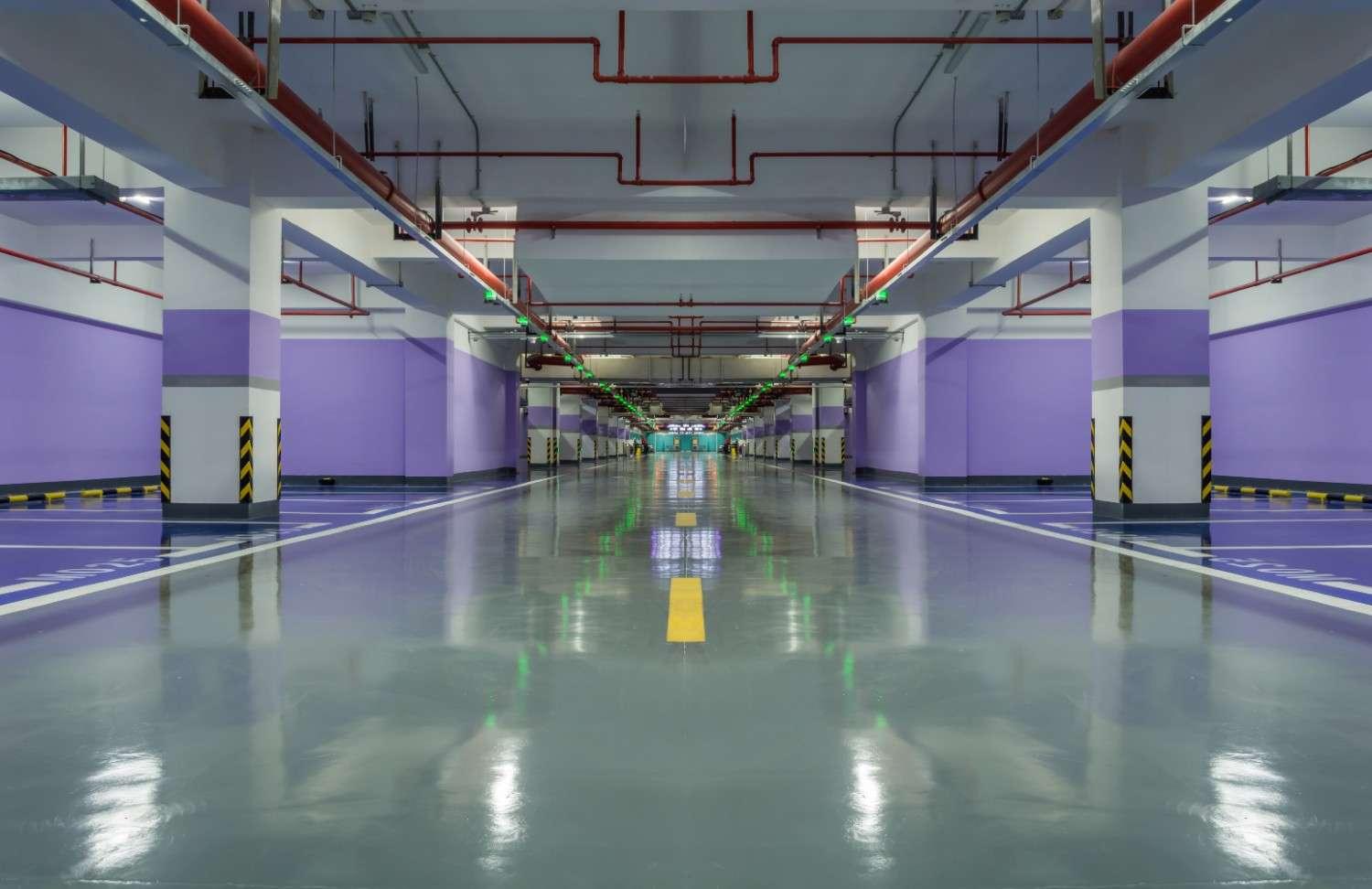
Industrial flooring plays a critical role in modern factories, warehouses, manufacturing plants, commercial kitchens, hospitals, and logistics centers. It is not just a surface to walk on—it is a foundation that supports heavy machinery, constant movement, chemical exposure, and high-impact operations every single day. Choosing the right industrial flooring system directly affects safety, productivity, maintenance costs, and long-term durability of a facility.
Below is a complete, well-structured description of industrial flooring along with its key benefits, types, and importance in modern industries.
What is Industrial Flooring?
Industrial flooring refers to specially designed floor systems made to withstand heavy-duty use in industrial and commercial environments. Unlike normal residential flooring, it is engineered with strong materials such as epoxy, polyurethane, concrete hardeners, resin coatings, or polished concrete.
Its main purpose is to provide a durable, safe, and easy-to-maintain surface that can handle:
- Heavy machinery and equipment
- Continuous foot traffic
- Chemical spills and oil exposure
- Temperature changes
- Abrasion and impact
Industrial flooring is commonly used in factories, warehouses, parking garages, pharmaceutical labs, food processing units, and aerospace facilities.
Types of Industrial Flooring
Before understanding the benefits, it is important to know the common types:
1. Epoxy Flooring
A resin-based coating applied over concrete. It creates a smooth, glossy, and highly durable surface.
2. Polyurethane Flooring
Flexible and resistant to temperature changes, chemicals, and impact.
3. Polished Concrete
Concrete that is mechanically polished to create a smooth and reflective surface.
4. Vinyl and Rubber Flooring
Used in areas requiring anti-slip properties and comfort underfoot.
5. Concrete Hardened Flooring
Concrete treated with hardening agents to increase strength and resistance.
Key Benefits of Industrial Flooring
1. High Durability and Strength
One of the most important benefits of industrial flooring is its exceptional durability. It is designed to handle extreme loads, including forklifts, trucks, heavy machines, and continuous movement.
Unlike traditional flooring, which may crack or wear out quickly, industrial floors are reinforced to last for many years with minimal damage.
This durability reduces the need for frequent repairs, making it a cost-effective long-term investment.
2. Resistance to Chemicals and Stains
Industries often deal with oils, acids, cleaning agents, and harsh chemicals. Standard flooring can easily get damaged or stained under such conditions.
Industrial flooring, especially epoxy and polyurethane systems, provides strong resistance against chemical spills. It prevents absorption and allows easy cleaning without leaving permanent marks.
This is especially important in:
- Laboratories
- Pharmaceutical industries
- Food processing units
- Chemical plants
3. Easy Maintenance and Cleaning
Another major benefit is low maintenance. Industrial flooring is designed with smooth, non-porous surfaces that prevent dust, dirt, and liquids from penetrating.
Cleaning becomes simple and quick, often requiring just:
- Sweeping
- Mopping
- Basic industrial cleaning solutions
This reduces labor costs and maintenance time significantly.
4. Improved Safety Features
Safety is a top priority in industrial environments. Industrial flooring is designed with features such as:
- Anti-slip coatings
- Fire resistance
- Shock absorption
- High visibility markings
Anti-slip surfaces help prevent accidents caused by wet or oily conditions. This is especially important in high-traffic workplaces.
Some flooring systems can also be customized with safety colors and markings to guide movement and improve workplace organization.
5. Heavy Load Bearing Capacity
Industrial floors are built to support extremely heavy loads without cracking or sinking. This is essential in warehouses and factories where forklifts, cranes, and heavy storage racks are used.
The flooring distributes weight evenly, reducing pressure points and preventing structural damage.
This ensures long-term stability and safe operation of heavy equipment.
6. Long Lifespan
With proper installation and maintenance, industrial flooring can last 10 to 30 years depending on the material used.
Epoxy and polyurethane floors, for example, are known for their long-lasting performance even in harsh environments.
This long lifespan reduces the need for frequent replacement, saving both time and money.
7. Aesthetic and Professional Appearance
Modern industrial flooring is not only functional but also visually appealing. Polished concrete and epoxy coatings provide a clean, shiny, and professional look.
A well-maintained floor improves the overall appearance of the facility and reflects professionalism. This can also positively influence clients, visitors, and business partners.
8. Resistance to Moisture and Water Damage
Moisture can weaken traditional floors over time, leading to cracks, mold, and structural issues.
Industrial flooring systems are often moisture-resistant or waterproof, preventing water from seeping in. This is particularly useful in:
- Food industries
- Cold storage units
- Beverage production facilities
It ensures hygiene and structural integrity.
9. Customization Options
Industrial flooring can be customized based on industry needs. Options include:
- Anti-static flooring for electronics industry
- Heat-resistant flooring for manufacturing plants
- Hygienic flooring for food and healthcare industries
- Color-coded zones for safety and organization
This flexibility makes industrial flooring suitable for a wide range of applications.
10. Cost-Effectiveness in the Long Run
Although industrial flooring may require higher initial investment compared to normal flooring, it proves cost-effective over time.
Reasons include:
- Less repair and maintenance
- Longer lifespan
- Reduced downtime
- Improved efficiency
Businesses save significant costs in the long term due to reduced wear and tear.
11. Environmentally Friendly Options
Many modern industrial flooring systems are eco-friendly. Some coatings use low VOC (volatile organic compounds), reducing harmful emissions.
Additionally, polished concrete reduces the need for extra materials like tiles or carpets, making it a sustainable choice.
12. Fast Installation and Minimal Downtime
Many industrial flooring systems can be installed quickly, especially epoxy coatings. Fast installation means less interruption to business operations.
This is a major advantage for industries that cannot afford long shutdown periods.
Importance of Industrial Flooring in Modern Industries
Industrial flooring is not just a design choice—it is a functional necessity. In today’s competitive industrial environment, efficiency, safety, and durability are essential.
Without proper flooring:
- Accidents increase
- Maintenance costs rise
- Productivity decreases
- Equipment gets damaged
With high-quality industrial flooring, companies ensure smoother operations, safer environments, and better long-term performance.
Conclusion
Industrial flooring is a vital component of any industrial or commercial facility. It offers unmatched strength, durability, chemical resistance, and safety features that traditional flooring cannot provide.
From heavy-duty warehouses to sensitive laboratories, industrial flooring ensures that operations run smoothly, safely, and efficiently. Its long lifespan, low maintenance requirements, and cost-effectiveness make it a smart investment for any business.

 Arabic
 French
 Spanish
 Portuguese
 Deutsch
 Turkish
 Dutch
Dutch
 Italiano
 Russian
 Romaian
 Portuguese (Brazil)
 Greek
Greek