
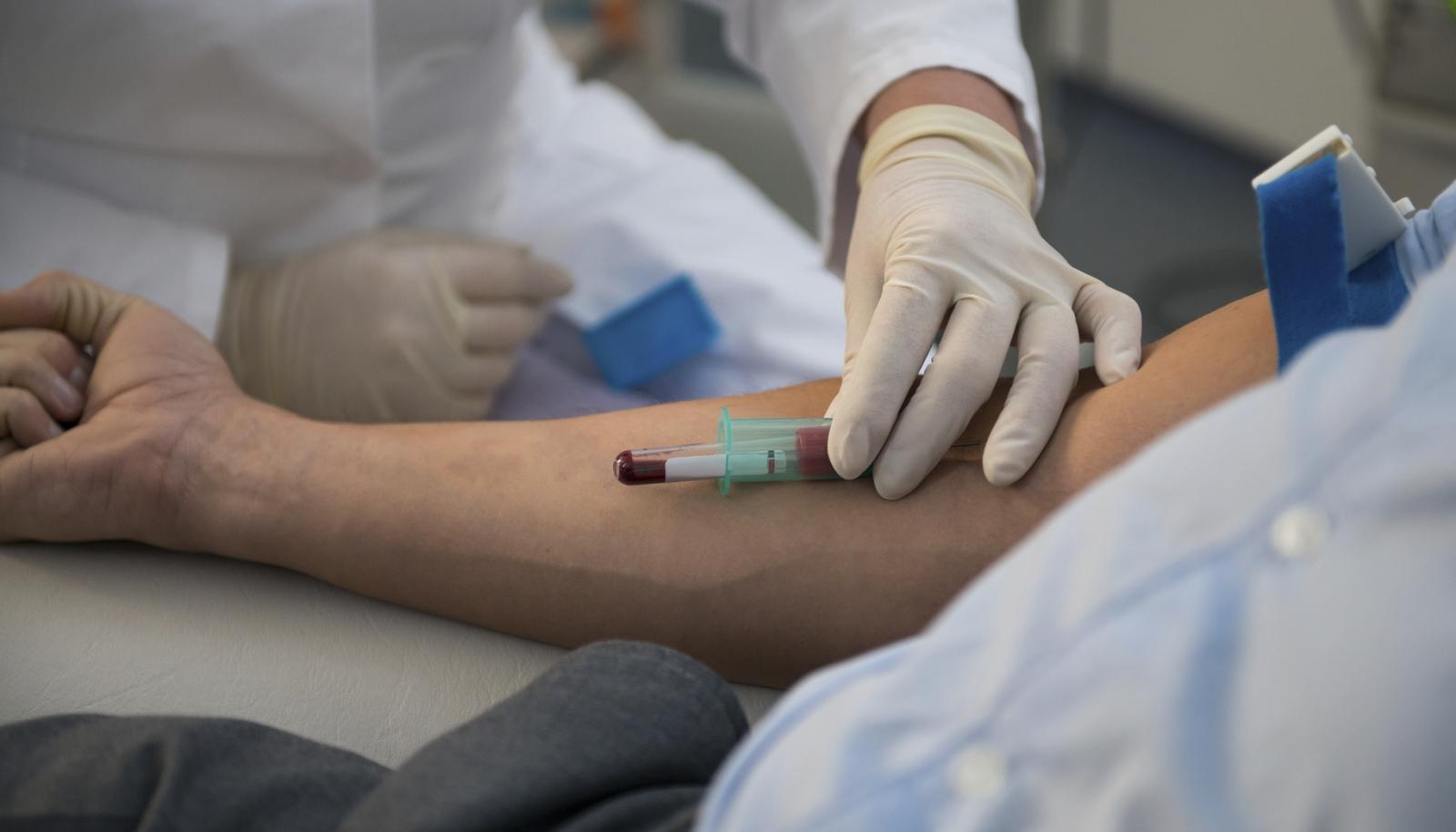
Preparing properly for a blood test is just as important as the test itself. Even small lifestyle choices—what you eat, how much you sleep, or whether you drink coffee—can influence your results. Many people don’t realize that inaccurate preparation can lead to misleading reports, unnecessary repeat testing, or confusion about health conditions.
This comprehensive guide breaks down the essential do’s and don’ts of Blood test in Dubai preparation in a structured, practical way so you can ensure accurate results and a smooth testing experience.
Why Proper Blood Test Preparation Matters for Accurate Results?
Blood tests are highly sensitive diagnostic tools that reflect real-time changes in your body. Because they measure biological markers such as glucose, cholesterol, enzymes, hormones, and electrolytes, even minor external factors can affect accuracy.
Proper preparation ensures:
- Reliable laboratory results
- Correct diagnosis by healthcare professionals
- Reduced chances of repeat testing
- Better interpretation of health markers
In short, preparation helps ensure your blood test reflects your true internal health condition, not temporary external influences.
The Golden Rule: Always Follow Your Doctor’s Instructions First
Before diving into general guidelines, the most important rule is to always follow specific instructions given by your healthcare provider.
Different tests require different preparation:
- Fasting blood glucose requires no food for 8–12 hours
- Lipid profile often requires fasting
- Thyroid and CBC tests usually do not require fasting
Ignoring personalized instructions can significantly affect test outcomes. Your doctor’s advice always takes priority over general rules.
DO: Follow Fasting Guidelines Correctly When Required
Fasting is one of the most common requirements for blood tests, especially for metabolic and cholesterol-related evaluations.
During fasting:
- Avoid all food for 8–12 hours
- Only drink plain water unless advised otherwise
- Avoid sugary drinks, tea, and coffee
Fasting ensures stable baseline levels of glucose and lipids, allowing doctors to assess your metabolic health accurately. Even a small snack can temporarily alter results.
DO: Stay Properly Hydrated Before the Test
Hydration plays a crucial role in blood test accuracy and sample collection.
Drinking adequate water helps:
- Improve blood circulation
- Make veins easier to locate
- Prevent dehydration-related concentration of blood markers
However, avoid excessive water intake right before testing, as it may slightly dilute certain markers. Balanced hydration is key.
DO: Get Adequate Sleep the Night Before Testing
Sleep has a direct impact on hormones, metabolism, and immune function—all of which influence blood test results.
Good sleep helps:
- Stabilize cortisol levels
- Maintain glucose balance
- Support immune system accuracy
Poor sleep can temporarily elevate stress hormones and alter metabolic readings, leading to misleading results.
DO: Inform Your Doctor About Medications and Supplements
Many people overlook this step, but medications and supplements can significantly affect blood chemistry.
Common influences include:
- Vitamin supplements (especially biotin) affecting hormone tests
- Painkillers altering liver enzyme levels
- Iron supplements affecting hemoglobin readings
- Blood pressure medications influencing electrolyte balance
Always inform your healthcare provider about everything you are taking, including over-the-counter drugs and herbal products.
DO: Wear Comfortable Clothing for Easy Blood Collection:
Simple clothing choices can make the procedure smoother and less stressful.
Recommended:
- Short sleeves or loose sleeves
- Easy-to-roll-up fabric
- Comfortable attire for longer waiting times
This helps medical staff access veins easily, especially in the arm area.
Avoid Eating or Drinking Restricted Items Before Testing:
One of the biggest mistakes people make is consuming restricted items before a blood test.
Avoid:
- Heavy meals before fasting tests
- Sugary drinks and soft drinks
- Alcohol within 24–48 hours
- Coffee or energy drinks before fasting tests
These can significantly alter glucose, lipid, and liver enzyme levels, leading to inaccurate results.
Avoid Intense Physical Activity Before the Test:
Exercise is healthy, but intense physical activity right before a blood test can distort results.
It may temporarily affect:
- Muscle enzymes (like creatine kinase)
- Blood sugar levels
- White blood cell count
- Electrolyte balance
It is best to avoid heavy workouts 24 hours before testing for accurate readings.
Avoid Smoking or Alcohol Before Blood Testing:
Smoking and alcohol consumption can interfere with multiple blood markers.
Effects include:
- Increased inflammation markers
- Elevated liver enzymes
- Altered cholesterol levels
- Dehydration affecting blood concentration
Even moderate consumption shortly before testing can skew results, so it is best to avoid both for at least 24–48 hours.
Don’t Panic or Stress Before the Test:
Stress and anxiety can influence hormone levels and metabolic readings.
High stress may cause:
- Increased cortisol levels
- Temporary rise in blood sugar
- Changes in heart-related markers
Staying calm helps ensure more stable and accurate test results. Deep breathing or relaxation techniques can be helpful before the procedure.
Don’t Ignore Fasting Duration Requirements:
A common mistake is not fasting for the correct duration.
Risks include:
- False high glucose readings
- Inaccurate cholesterol levels
- Misleading metabolic results
Fasting too short or too long can both affect accuracy. Always follow the exact duration recommended by your doctor or lab.
Special Preparation Tips for Common Blood Tests:
Different tests may require specific preparation methods.
For Blood Sugar Tests:
- Maintain proper fasting (if required)
- Avoid sweets the night before
For Lipid Profile:
- Fast for 9–12 hours
- Avoid fatty foods 24 hours prior
For Thyroid Tests:
- Avoid biotin supplements before testing
- No fasting usually required
For Liver Function Tests:
- Avoid alcohol for at least 48 hours
- Avoid heavy fatty meals
Understanding these variations helps ensure accurate results across different test types.
What Happens If You Don’t Prepare Properly?
Improper preparation can lead to:
- False positives or negatives
- Misdiagnosis of conditions
- Unnecessary repeat testing
- Delayed treatment decisions
In some cases, incorrect results may cause emotional stress or lead to unnecessary medication adjustments.
How to Make Blood Test Day Stress-Free?
A smooth testing experience is possible with a few simple habits:
- Drink water unless instructed otherwise
- Arrive on time and relaxed
- Inform staff about any discomfort or fear of needles
- Follow all pre-test instructions carefully
Being prepared not only improves accuracy but also reduces anxiety during the procedure.
Final Thoughts:
Blood testing services in Dubai are powerful diagnostic tools, but their accuracy depends heavily on proper preparation. Simple steps like fasting correctly, staying hydrated, avoiding alcohol, and managing stress can make a significant difference in your results.
Understanding the do’s and don’ts of blood test preparation ensures that your report reflects your true health condition, allowing doctors to make accurate and informed decisions.

 English
 Arabic
 French
 Spanish
 Portuguese
 Deutsch
 Turkish
 Dutch
Dutch
 Italiano
 Russian
 Romaian
 Portuguese (Brazil)