
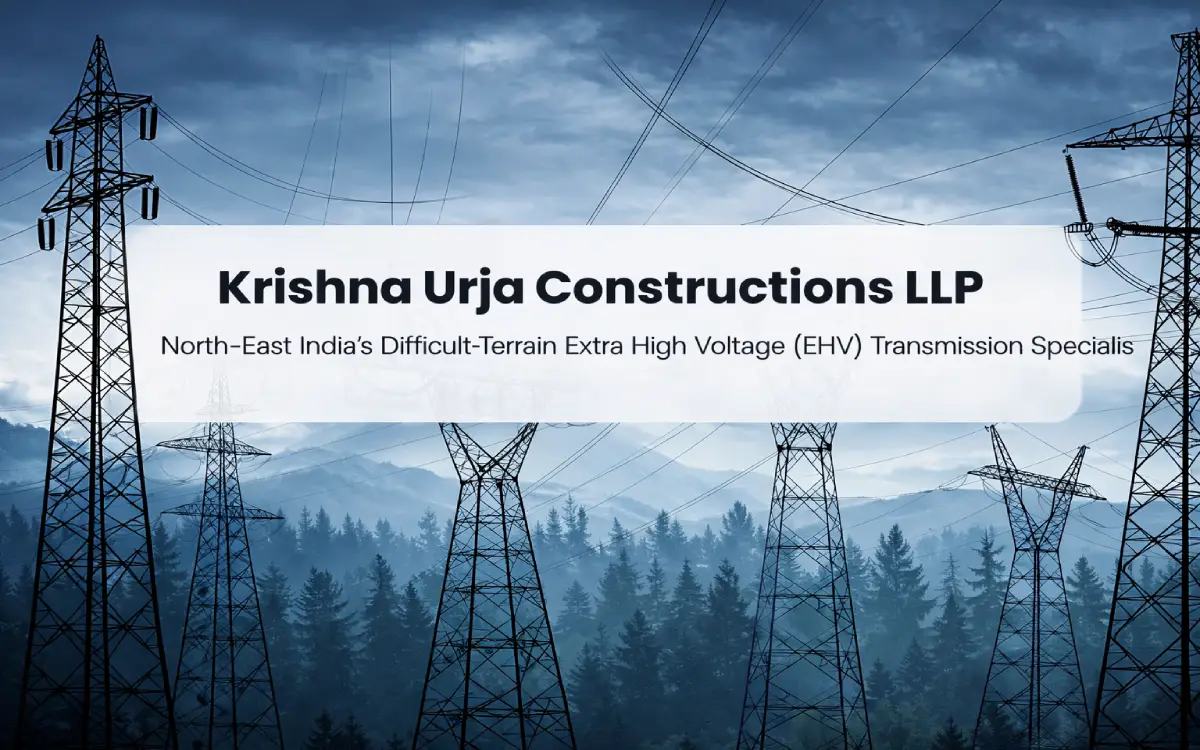
Electricity is one of the most important parts of modern life. It powers homes, industries, offices, hospitals, and transportation systems. Behind this smooth flow of electricity is a strong network of transmission lines and grid systems. These systems help carry power from generation plants to end users safely and efficiently.
In this blog, we will clearly explain EPC services for overhead transmission lines, how they work, why they are important, and what processes are involved. The language used here is simple so that anyone can easily understand the topic.
What Are EPC Services?
EPC stands for Engineering, Procurement, and Construction. It is a complete service model used in infrastructure and power projects.
Let’s understand each part:
- Engineering: Planning and designing the project
- Procurement: Buying materials and equipment
- Construction: Building and installing the system
In EPC projects, one company or contractor takes full responsibility for the entire project from start to finish. This makes the process more organized, faster, and efficient.
Understanding Overhead Transmission Lines
Overhead transmission lines are the cables you often see on tall towers or poles. These lines carry high-voltage electricity over long distances.
Key Components of Overhead Transmission Lines
- Conductors: Wires that carry electricity
- Towers or Poles: Structures that support the wires
- Insulators: Prevent electricity from flowing into the ground
- Ground Wires: Protect the system from lightning
These components work together to ensure safe and efficient power transmission.
What Are Grid Systems?
A grid system is a network that connects power generation sources to consumers. It includes:
- Power plants
- Transmission lines
- Substations
- Distribution systems
Grid systems help balance electricity supply and demand. They also ensure that power is delivered without interruptions.
Importance of EPC Services in Transmission and Grid Projects
EPC services play a very important role in building and maintaining power infrastructure.
1. Single Point Responsibility
With EPC services, one contractor handles the entire project. This reduces confusion and improves coordination.
2. Time Efficiency
Since all stages are managed together, projects are completed faster.
3. Cost Control
Better planning and management help reduce unexpected costs.
4. Quality Assurance
EPC contractors follow strict standards to maintain quality.
5. Risk Management
Risks are identified early and handled properly.
EPC Services for Overhead Transmission Lines: Step-by-Step Process
Let’s look at how EPC services for overhead transmission lines are carried out.
1. Engineering and Design
This is the first and most important stage.
Activities Included:
- Route survey and planning
- Soil testing
- Tower design
- Electrical design
Engineers decide the best path for transmission lines. They consider factors like terrain, weather, and environmental impact.
2. Procurement of Materials
After the design is ready, the next step is to arrange materials.
Materials Needed:
- Steel towers
- Conductors
- Insulators
- Hardware fittings
Procurement teams ensure that all materials meet quality standards and are delivered on time.
3. Construction and Installation
This stage involves actual fieldwork.
Key Activities:
- Foundation construction
- Tower erection
- Stringing of conductors
- Installation of insulators
Safety is very important during this stage because the work is done at heights and involves heavy equipment.
4. Testing and Commissioning
Before the system becomes operational, it is tested.
Tests Include:
- Electrical testing
- Mechanical checks
- Safety inspections
After successful testing, the system is commissioned and starts functioning.
5. Operation and Maintenance Support
Some EPC contracts also include maintenance services.
Maintenance Activities:
- Regular inspections
- Repair work
- Upgradation of components
This ensures long-term reliability of the transmission system.
EPC Services in Grid Systems
EPC services are also widely used in grid system development.
Key Areas Covered:
1. Substation Construction
Substations help in voltage transformation and distribution.
2. Grid Integration
Connecting new power sources like solar or wind to the grid.
3. Smart Grid Solutions
Using digital technology to improve efficiency and monitoring.
Advantages of EPC Model in Power Projects
The EPC model offers many benefits, especially in large infrastructure projects.
1. Better Project Management
All activities are handled under one contract, making coordination easier.
2. Faster Execution
Work progresses smoothly without delays between stages.
3. Improved Communication
Single contractor means fewer misunderstandings.
4. Cost Predictability
Costs are estimated early and controlled throughout the project.
5. High Reliability
Quality standards ensure long-lasting infrastructure.
Challenges in EPC Transmission Projects
Even though EPC services are effective, there are some challenges.
1. Land Acquisition Issues
Getting land for towers and substations can be difficult.
2. Environmental Concerns
Projects must follow environmental rules and avoid damage to nature.
3. Weather Conditions
Rain, storms, and extreme temperatures can delay work.
4. Logistics and Transportation
Transporting heavy materials to remote areas is challenging.
5. Skilled Workforce Requirement
Experienced engineers and workers are needed for successful execution.
Safety Measures in EPC Projects
Safety is a top priority in transmission and grid projects.
Important Safety Practices:
- Use of protective equipment (helmets, gloves, harnesses)
- Proper training for workers
- Regular safety inspections
- Emergency response planning
These measures help reduce accidents and ensure smooth project execution.
Latest Trends in EPC Services
The power sector is evolving, and EPC services are also improving.
1. Use of Advanced Technology
- Drones for surveying
- GIS mapping
- Digital monitoring systems
2. Renewable Energy Integration
More projects are focused on connecting solar and wind power to the grid.
3. Smart Grids
Smart grids use automation and data to improve efficiency.
4. Sustainable Construction
Efforts are being made to reduce environmental impact.
Choosing the Right EPC Contractor
Selecting the right EPC contractor is very important for project success.
Factors to Consider:
- Experience in similar projects
- Technical expertise
- Financial stability
- Safety record
- Quality standards
A reliable contractor ensures timely completion and high-quality results.
Future of EPC Services in Power Infrastructure
The demand for electricity is increasing every year. This means more transmission lines and grid systems will be needed.
Future Opportunities:
- Expansion of rural electrification
- Growth in renewable energy projects
- Development of smart cities
- Upgradation of existing grid systems
EPC services will continue to play a key role in meeting these demands.
Conclusion
EPC services have become an essential part of modern power infrastructure development. From planning and designing to construction and maintenance, these services ensure that projects are completed efficiently and safely.
When it comes to EPC services for overhead transmission lines, the EPC model offers a complete and reliable solution. It simplifies complex processes, reduces risks, and ensures high-quality results.
As the demand for electricity continues to grow, the role of EPC services will become even more important in building strong and efficient transmission and grid systems.
For organizations looking for dependable and professional EPC solutions, Krishna Urja stands as a trusted name, offering expertise and commitment in delivering high-quality power infrastructure projects.

 English
 Arabic
 French
 Spanish
 Portuguese
 Deutsch
 Turkish
 Dutch
Dutch
 Russian
 Romaian
 Portuguese (Brazil)
 Greek
Greek