
The story of Fallout 76 is one of the most remarkable narratives in modern gaming, though it unfolded not in its Appalachian hills, but in its development cycle. Launched into a storm of criticism for its technical issues and perceived emptiness, the game has not merely been patched; it has been fundamentally reinvented. This journey from a troubled experiment to a beloved, thriving online world stands as a definitive case study in developer tenacity and the power of a patient, player-driven community. It proves that a game's initial state can be a foundation, not a final verdict.
The launch version of Appalachia was starkly different. Defined by a controversial lack of human npcs, it was a world told through holotapes and environmental decay, creating a profound, if lonely, atmosphere. Bugs were rampant, and endgame systems felt shallow. The multiplayer focus seemed at odds with the solitary exploration the series was known for. Yet, within this flawed framework, a dedicated community took root. These early players became the world's first true inhabitants, forging unspoken social rules and a culture of unexpected generosity that would define the game's social fabric for years to come.
The turning point was the Wastelanders update. This wasn't a simple content drop; it was a course correction that addressed the core critique of a lifeless world. By introducing human settlers and raiders with full dialogue trees and quests, it grafted a classic Fallout role-playing skeleton onto the online world. Suddenly, Appalachia had characters with motives, humor, and stories. This was followed by further expansions like the Brotherhood of Steel storyline and expeditions to The Pitt, demonstrating a sustained commitment to narrative growth. The "service" in live-service finally began delivering compelling, traditional content.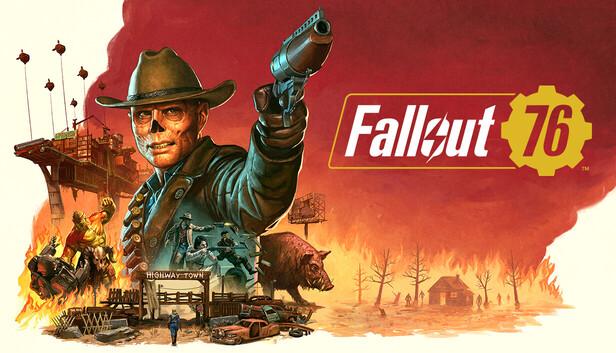
Simultaneously, the game's core systems matured. The once-barren endgame was populated with public events that became daily rituals, seasonal storylines with unique rewards, and a deep crafting system for legendary gear. The C.A.M.P. building feature flourished from a simple shelter tool into a vast outlet for creativity and personal expression, dotting the landscape with player-built homes and shops. Regular quality-of-life improvements and community-driven features showed the developers were not just fixing mistakes, but actively listening and building alongside their players.
Today's Fallout 76 is almost unrecognizable from its original incarnation. It is a vibrant, social, and content-rich experience that successfully blends solitary exploration with communal spectacle. Its redemption was a marathon, not a sprint. By embracing its identity as a perpetually evolving platform and prioritizing the restoration of player trust through consistent, meaningful action, it accomplished a rare feat. Fallout 76 Items transformed a catastrophic first impression into a compelling, long-term destination, demonstrating that in the world of live-service games, a title's true launch can be a process, and its greatest stories can be those of its own hard-won rebirth.

 Arabic
 French
 Spanish
 Portuguese
 Deutsch
 Turkish
 Dutch
Dutch
 Italiano
 Russian
 Romaian
 Portuguese (Brazil)
 Greek
Greek