
In Diablo 4, the threat is not confined to demonic armies or vengeful cultists; it is etched into the very soil and whispered on the howling wind. Sanctuary itself is a character—a bleak, oppressive, and breathtakingly beautiful antagonist. The game’s most profound achievement may be its world-building, which leverages a seamless open world and dynamic **environment** to craft an atmosphere of pervasive dread and melancholy that is far more impactful than any single boss monster.
Unlike the instanced acts of its predecessors, Diablo 4 presents a contiguous, sprawling Sanctuary. The five distinct regions are not mere levels but lived-in, dying landscapes. The fractured peaks of Fractured Peaks exude a silent, frozen terror. The haunted bogs of Hawezar pulse with palpable malice. The sun-bleached horror of Kehjistan’s deserts tells a story of ancient empire and decay. Traveling on foot or horseback between these areas, witnessing the gradual shift in ecology and architecture, fosters a sense of epic scale and immersion previously unseen in the series. The world feels vast, ancient, and deeply wounded, a canvas upon which the Eternal Conflict has left permanent scars.
This **environment** is not a passive backdrop; it is an active participant. Dynamic weather and a full day-night cycle dramatically alter the mood and visibility. A torrential downpour in a swamp can reduce sight to a few feet, transforming a routine patrol into a tense, claustrophobic ordeal. A blizzard in the peaks can obscure lurking threats, while the oppressive heat of the desert shimmers with mirages. Furthermore, the world is populated with random events and roaming dangers that make traversal unpredictable. A traveler might stumble upon a caravan under attack, a cursed shrine, or a sudden, localized demonic invasion. These moments break up the journey, rewarding exploration and ensuring the spaces between objectives are rich with potential danger and discovery.
The **environment** also layers gameplay mechanics. Terrain matters. Narrow canyon paths can funnel hordes into chokepoints for area-of-effect spells, while open plains might leave a ranged character vulnerable to being surrounded. Destructible objects can reveal secrets or provide impromptu cover. Certain elite enemies interact with their surroundings, summoning environmental hazards. This integration means players must be aware of more than just enemy health bars; they must read the battlefield itself, using the geography to their advantage or mitigating its threats.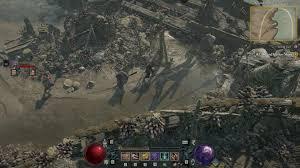
Ultimately, Sanctuary in buy Diablo 4 Items is more than a setting; it is the source of the game’s overarching tone of despair and resilience. The shattered ruins, the forgotten altars, the whispering trees—they all tell a story of repeated loss and fragile hope. The **environment** consistently reinforces the narrative that this is a world barely clinging to existence, making the player’s fight feel both desperate and monumental. It is a world that begs to be explored, not for mere loot, but to witness the haunting beauty of its own damnation, proving that in this conflict, the very land is a battleground.

 Arabic
 French
 Spanish
 Portuguese
 Deutsch
 Turkish
 Dutch
Dutch
 Italiano
 Russian
 Romaian
 Portuguese (Brazil)
 Greek
Greek