
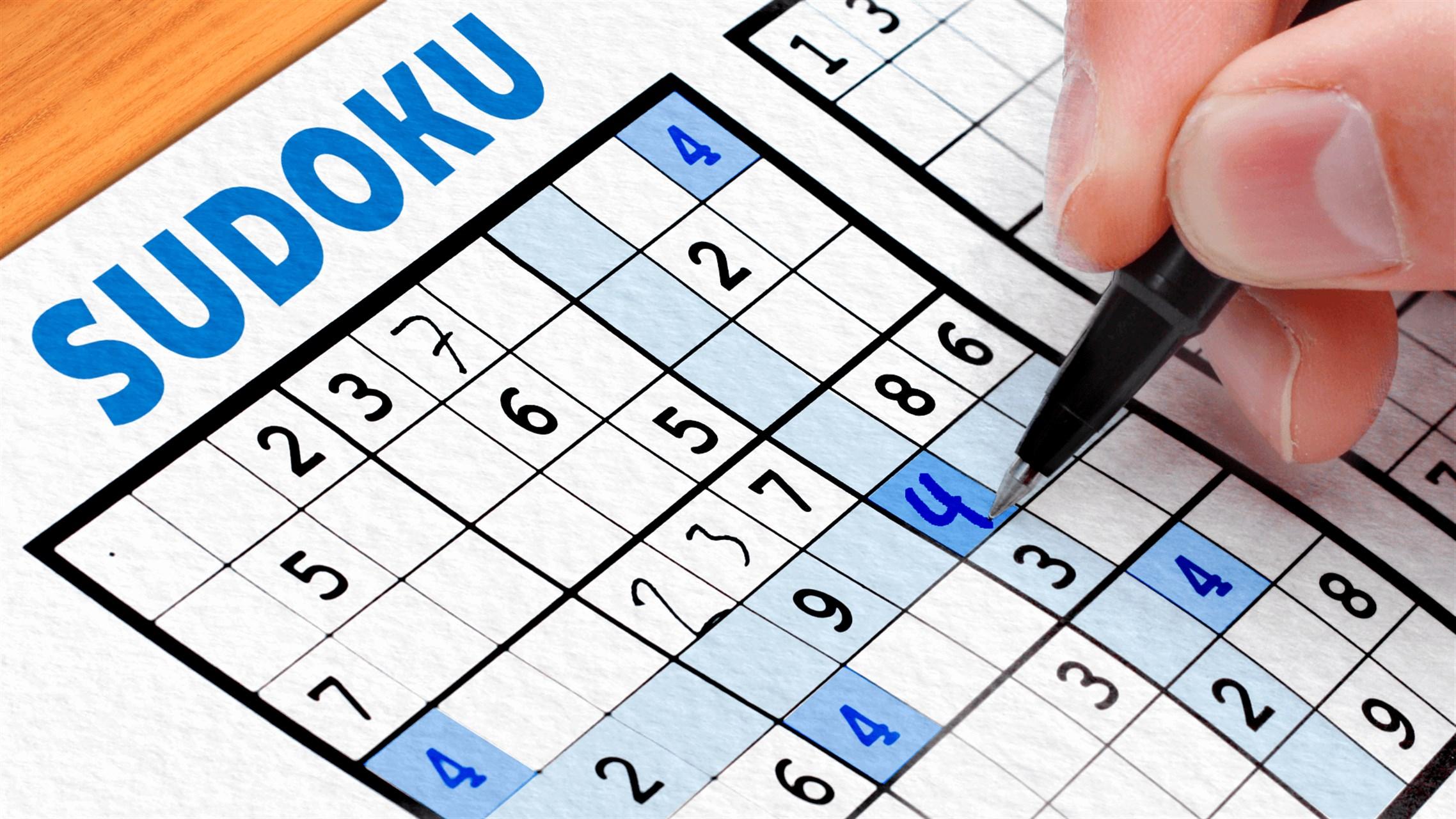
I never thought a simple grid of numbers could be so captivating. But here I am, hours later, still scribbling in a Sudoku puzzle, completely absorbed. If you’ve ever underestimated this classic logic game, I get it—I did too. But there’s something about Sudoku that sneaks up on you, quietly turning a lazy afternoon into a full-blown mental adventure.
The First Challenge
I first encountered Sudoku during a dull weekend at my cousin’s house. She casually handed me a puzzle from her book and said, “Try this—it’s fun!” I looked at the grid and felt a mix of curiosity and dread. Rows, columns, and boxes—numbers scattered randomly—it looked intimidating. But, like a moth to a flame, I picked up my pencil and started.
The first few attempts were a mess. I guessed numbers, erased them, and then guessed again. It was frustrating, sure, but strangely entertaining. Every small success, like correctly placing a single number, felt like a tiny victory, a little dopamine hit that made me want to continue.
The Appeal of Sudoku
What makes Sudoku so addictive? For me, it’s the perfect combination of simplicity and challenge. The rules are straightforward: fill a 9x9 grid so that each row, column, and 3x3 square contains all digits from 1 to 9. Simple, right? Yet, as soon as you start, the complexity emerges. Some puzzles are easy, giving you a gentle mental warm-up. Others are fiendishly difficult, forcing you to think several moves ahead, anticipate patterns, and sometimes take a break to return with fresh eyes.
I’ve noticed that Sudoku has a unique way of balancing frustration and satisfaction. The harder the puzzle, the more rewarding it is when the last number finally fits. It’s not just a game of numbers—it’s a game of patience, strategy, and persistence.
The Emotional Rollercoaster
Sudoku is full of highs and lows. I remember one evening, tackling a “diabolical” puzzle I found online. For over an hour, I was stuck, circling the same few numbers, erasing, and sighing in frustration. But then, suddenly, one placement unlocked several others, and before I knew it, the entire grid came together. That feeling—pure elation mixed with relief—is unlike anything else.
And yes, there are funny moments too. I once tried to solve a puzzle while waiting for my coffee. I was so focused that I didn’t notice the barista cleaning around me, giving me a curious glance as I muttered numbers under my breath. Another time, I challenged a friend over video call: we laughed endlessly at our mistakes, celebrated small victories, and even made up silly rules just for fun. Sudoku, it turns out, can be social too!
Personal Strategies That Work for Me
Over time, I’ve picked up a few tricks that make Sudoku a bit more manageable. One of my favorites is marking possibilities lightly in each cell before committing. This “pencil method” prevents me from making a cascade of mistakes later. Another is scanning for singles—numbers that can only fit in one spot in a row, column, or box. There’s something incredibly satisfying about spotting that one number that unlocks the rest of the puzzle.
I’ve also learned that stepping away helps. Sometimes a solution is hiding in plain sight, but I’m too close to see it. A short break or a cup of tea often refreshes my mind and reveals what I missed. And most importantly, I try to enjoy the process. Sudoku isn’t a race; it’s a mental workout, and every solved puzzle is a small accomplishment.
Lessons Beyond the Grid
Playing Sudoku has taught me lessons beyond numbers and logic. Patience, for one—rushing leads to mistakes, while a calm approach pays off. Perspective is another—sometimes looking at the puzzle differently reveals patterns I couldn’t see before. And persistence, of course, is key. Even when I feel stuck, revisiting a puzzle often leads to solutions I couldn’t find initially.
These lessons translate surprisingly well into everyday life. Problem-solving at work, organizing tasks, or even planning a trip benefits from the same patience, perspective, and persistence I practice with Sudoku.
Why I Keep Coming Back
Despite its occasional frustrations, I keep returning to Sudoku because it’s endlessly rewarding. Each puzzle is unique, and completing a difficult grid feels like a mini triumph. It’s perfect for quiet evenings, rainy afternoons, or even during a short break at work. And unlike many other games, it trains your brain while entertaining you.
I’ve also explored different variations—smaller grids for a quick mental warm-up, larger ones for serious challenge, and even themed puzzles with fun twists. Each variation keeps the game fresh and exciting, and the community of Sudoku enthusiasts is incredibly supportive and engaging.
A Personal Reflection
Looking back, it’s funny how a simple pencil-and-paper game became a part of my daily routine. Sudoku is more than a pastime; it’s a teacher, a stress reliever, and a source of joy. The puzzle might be just numbers, but the satisfaction of solving it is deeply personal and surprisingly emotional.
So, if you haven’t tried Sudoku yet, I highly recommend giving it a chance. Start simple, be patient, and let yourself enjoy the journey. You might find, as I did, that it’s not just a game—it’s an experience.
Do you play Sudoku? Or maybe there’s another brain-teasing game you love? Comment below and share your experience—I’d love to hear what challenges get your brain buzzing!

 English
 Arabic
 French
 Spanish
 Portuguese
 Deutsch
 Turkish
 Dutch
Dutch
 Italiano
 Romaian
 Portuguese (Brazil)
 Greek
Greek